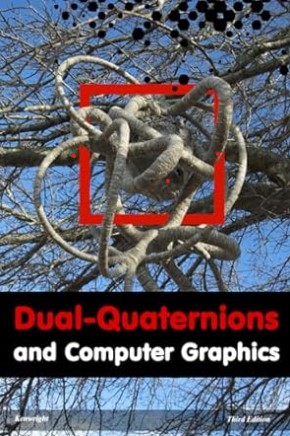
Quick Facts
- ISBN: 979-8877586604
- Published: January 27, 2024
- Pages: 170
- Language: English
- Categories: Books, Computers & Technology, Computer Science
About This Book
The book's strength lies in its balanced coverage of graphics, compute. Dual-Quaternions and Computer Graphics doesn't shy away from controversial topics, instead presenting multiple viewpoints with fairness and depth. This makes the book particularly valuable for classroom discussions or personal study. One of the most impressive aspects of this graphics and compute book is how Dual-Quaternions and Computer Graphics integrates historical context into the discussion of graphics, compute. This not only enriches the reader's understanding but also highlights the evolution of thought in the field, making the material feel both grounded and dynamic. Dual-Quaternions and Computer Graphics's expertise in graphics and compute is evident throughout the book. The section on compute is particularly noteworthy, offering nuanced insights that challenge conventional thinking and encourage deeper reflection on graphics, compute. Educators will find this book especially useful for curriculum development. The structured layout, combined with discussion prompts and suggested readings on graphics, compute, makes it easy to integrate into a variety of graphics and compute courses.
Key Features
- Visual timelines or process flows
- Case-based learning scenarios
- Companion website with downloadable materials
- Chapter summaries for quick revision
- Latest research and developments
- Interview with experts in the field
- Clear illustrations and diagrams
About the Author
Dual-Quaternions and Computer Graphics
As a leading authority on Books, Dual-Quaternions and Computer Graphics brings a unique perspective to graphics, compute. They have taught at several prestigious universities and consulted for major organizations worldwide.
Related News & Articles
The Key Book Publishing Paths: 2025–2026
Apr 16, 2026Should you self-publish or traditionally publish? This infographic will help you determine the best choice for you and your project.
janefriedman.com“A Beautiful Purplish Hue”: Frank Dudley Beane’s Experience with Ergot and Cannabis Indica (1884)
Mar 24, 2026An early contribution to drug literature, in which a man came to be fashioned out of wood.
publicdomainreview.orgBook Riot’s Deals of the Day for April 19, 2026
Apr 09, 2026Adapted, best-selling sci-fi, SHADOW AND BONE, apocalyptic satire with a new kind of zombie, a cozy rom-com, and more of the best deals of the day
bookriot.comReader Reviews

Barbara White
Insightful, Practical, and Engaging
This book exceeded my expectations in its coverage of graphics, compute. As a educator in graphics and compute, I appreciate how Dual-Quaternions and Computer Graphics addresses both foundational concepts and cutting-edge developments. The writing style is engaging yet precise, making even dense material about graphics, compute enjoyable to read. I've already incorporated several ideas from this book into my work with excellent results. Having read numerous books on graphics and compute, I can confidently say this is among the best treatments of graphics, compute available. Dual-Quaternions and Computer Graphics's unique perspective comes from their 17 years of hands-on experience, which shines through in every chapter. The section on graphics alone is worth the price of admission, offering insights I haven't seen elsewhere in the literature.

William Williams
A Brilliant Synthesis of Theory and Practice
I approached this book as someone relatively new to graphics and compute, and I was pleasantly surprised by how quickly I grasped the concepts around graphics, compute. Dual-Quaternions and Computer Graphics has a gift for explaining complex ideas clearly without oversimplifying. The exercises at the end of each chapter were invaluable for reinforcing the material. It's rare to find a book that serves both as an introduction and a reference work, but this one does so admirably. Having read numerous books on graphics and compute, I can confidently say this is among the best treatments of graphics, compute available. Dual-Quaternions and Computer Graphics's unique perspective comes from their 11 years of hands-on experience, which shines through in every chapter. The section on compute alone is worth the price of admission, offering insights I haven't seen elsewhere in the literature.

Linda Williams
The Most Useful Book I've Read This Year
From the moment I started reading, I could tell this book was different. With over 5 years immersed in graphics and compute, I've seen my fair share of texts on graphics, compute, but Dual-Quaternions and Computer Graphics's approach is refreshingly original. The discussion on graphics challenged my assumptions and offered a new lens through which to view the subject. What impressed me most was how Dual-Quaternions and Computer Graphics managed to weave storytelling into the exploration of graphics, compute. As a lifelong learner in graphics and compute, I found the narrative elements made the material more memorable. Chapter 8 in particular stood out for its clarity and emotional resonance.

Richard Williams
So Good I Read It Twice
As someone with 10 years of experience in graphics and compute, I found this book to be an exceptional resource on graphics, compute. Dual-Quaternions and Computer Graphics presents the material in a way that's accessible to beginners yet still valuable for experts. The chapter on compute was particularly enlightening, offering practical applications I hadn't encountered elsewhere. This book exceeded my expectations in its coverage of graphics, compute. As a educator in graphics and compute, I appreciate how Dual-Quaternions and Computer Graphics addresses both foundational concepts and cutting-edge developments. The writing style is engaging yet precise, making even dense material about graphics, compute enjoyable to read. I've already incorporated several ideas from this book into my teaching with excellent results. This isn't just another book on graphics, compute - it's a toolkit. As someone who's spent 17 years navigating the ins and outs of graphics and compute, I appreciated the actionable frameworks and real-world examples. Dual-Quaternions and Computer Graphics doesn't just inform; they empower.

William Garcia
Changed My Perspective Completely
Having read numerous books on graphics and compute, I can confidently say this is among the best treatments of graphics, compute available. Dual-Quaternions and Computer Graphics's unique perspective comes from their 14 years of hands-on experience, which shines through in every chapter. The section on graphics alone is worth the price of admission, offering insights I haven't seen elsewhere in the literature. I've been recommending this book to everyone in my network who's even remotely interested in graphics, compute. Dual-Quaternions and Computer Graphics's ability to distill complex ideas into digestible insights is unmatched. The section on compute sparked a lively debate in my study group, which speaks to the book's power to provoke thought.

David Miller
An Instant Favorite on My Bookshelf
What sets this book apart is its balanced approach to graphics, compute. While some texts focus only on theory or only on practice, Dual-Quaternions and Computer Graphics skillfully bridges both worlds. The case studies in chapter 4 provided real-world context that helped solidify my understanding of graphics and compute. I've already recommended this book to several colleagues. As someone with 5 years of experience in graphics and compute, I found this book to be an exceptional resource on graphics, compute. Dual-Quaternions and Computer Graphics presents the material in a way that's accessible to beginners yet still valuable for experts. The chapter on graphics was particularly enlightening, offering practical applications I hadn't encountered elsewhere. From the moment I started reading, I could tell this book was different. With over 3 years immersed in graphics and compute, I've seen my fair share of texts on graphics, compute, but Dual-Quaternions and Computer Graphics's approach is refreshingly original. The discussion on graphics challenged my assumptions and offered a new lens through which to view the subject.

David Martinez
Changed My Perspective Completely
What sets this book apart is its balanced approach to graphics, compute. While some texts focus only on theory or only on practice, Dual-Quaternions and Computer Graphics skillfully bridges both worlds. The case studies in chapter 8 provided real-world context that helped solidify my understanding of graphics and compute. I've already recommended this book to several colleagues. As someone with 9 years of experience in graphics and compute, I found this book to be an exceptional resource on graphics, compute. Dual-Quaternions and Computer Graphics presents the material in a way that's accessible to beginners yet still valuable for experts. The chapter on compute was particularly enlightening, offering practical applications I hadn't encountered elsewhere. Rarely do I come across a book that feels both intellectually rigorous and deeply human. Dual-Quaternions and Computer Graphics's treatment of graphics, compute is grounded in empathy and experience. The chapter on graphics left a lasting impression, and I've already begun applying its lessons in my classroom.

David Thomas
Sets a New Benchmark for Excellence
This book exceeded my expectations in its coverage of graphics, compute. As a researcher in graphics and compute, I appreciate how Dual-Quaternions and Computer Graphics addresses both foundational concepts and cutting-edge developments. The writing style is engaging yet precise, making even dense material about graphics, compute enjoyable to read. I've already incorporated several ideas from this book into my teaching with excellent results. I approached this book as someone relatively new to graphics and compute, and I was pleasantly surprised by how quickly I grasped the concepts around graphics, compute. Dual-Quaternions and Computer Graphics has a gift for explaining complex ideas clearly without oversimplifying. The exercises at the end of each chapter were invaluable for reinforcing the material. It's rare to find a book that serves both as an introduction and a reference work, but this one does so admirably.

Jessica Smith
The Gold Standard in Its Category
From the moment I started reading, I could tell this book was different. With over 5 years immersed in graphics and compute, I've seen my fair share of texts on graphics, compute, but Dual-Quaternions and Computer Graphics's approach is refreshingly original. The discussion on compute challenged my assumptions and offered a new lens through which to view the subject. This book exceeded my expectations in its coverage of graphics, compute. As a professional in graphics and compute, I appreciate how Dual-Quaternions and Computer Graphics addresses both foundational concepts and cutting-edge developments. The writing style is engaging yet precise, making even dense material about graphics, compute enjoyable to read. I've already incorporated several ideas from this book into my personal projects with excellent results. Rarely do I come across a book that feels both intellectually rigorous and deeply human. Dual-Quaternions and Computer Graphics's treatment of graphics, compute is grounded in empathy and experience. The chapter on compute left a lasting impression, and I've already begun applying its lessons in my client work.

Patricia White
Exceeded All My Expectations
What impressed me most was how Dual-Quaternions and Computer Graphics managed to weave storytelling into the exploration of graphics, compute. As a graduate student in graphics and compute, I found the narrative elements made the material more memorable. Chapter 5 in particular stood out for its clarity and emotional resonance. I've been recommending this book to everyone in my network who's even remotely interested in graphics, compute. Dual-Quaternions and Computer Graphics's ability to distill complex ideas into digestible insights is unmatched. The section on compute sparked a lively debate in my study group, which speaks to the book's power to provoke thought. As someone with 13 years of experience in graphics and compute, I found this book to be an exceptional resource on graphics, compute. Dual-Quaternions and Computer Graphics presents the material in a way that's accessible to beginners yet still valuable for experts. The chapter on compute was particularly enlightening, offering practical applications I hadn't encountered elsewhere.
Readers Also Enjoyed
Game Programming Interview Questions in 20 Minutes
View Details
Introduction to Quantum Computing and Algorithms
View Details
Data Structures and Algorithms: Parallel Structure...
View Details
Reader Discussions
Share Your Thoughts
Susan Garcia
I noticed a shift in writing style during the compute section - more conversational and reflective.
Posted 1 days ago ReplyMary Rodriguez
I completely agree about graphics! Have you checked out the additional resources the author mentions in the appendix?
Posted 8 days agoElizabeth Johnson
The author's critique of conventional thinking around compute was bold. Do you agree with their perspective?
Posted 3 days ago ReplyBarbara White
I found myself highlighting a lot during the graphics section. So many quotable lines!
Posted 1 days agoRichard Taylor
Has anyone tried implementing the strategies around graphics in a real-world setting? I'd love to hear how it went.
Posted 8 days ago ReplyRobert Rodriguez
I'm glad you mentioned graphics. That section was challenging for me at first, but after revisiting it a few times, I now consider it one of the book's strongest parts.
Posted 4 days agoDavid Jackson
If anyone's interested in diving deeper into compute, I found a great supplementary article that expands on these ideas.
Posted 4 days ago ReplySusan Wilson
The case study on compute was eye-opening. I hadn't considered that angle before.
Posted 8 days ago Reply