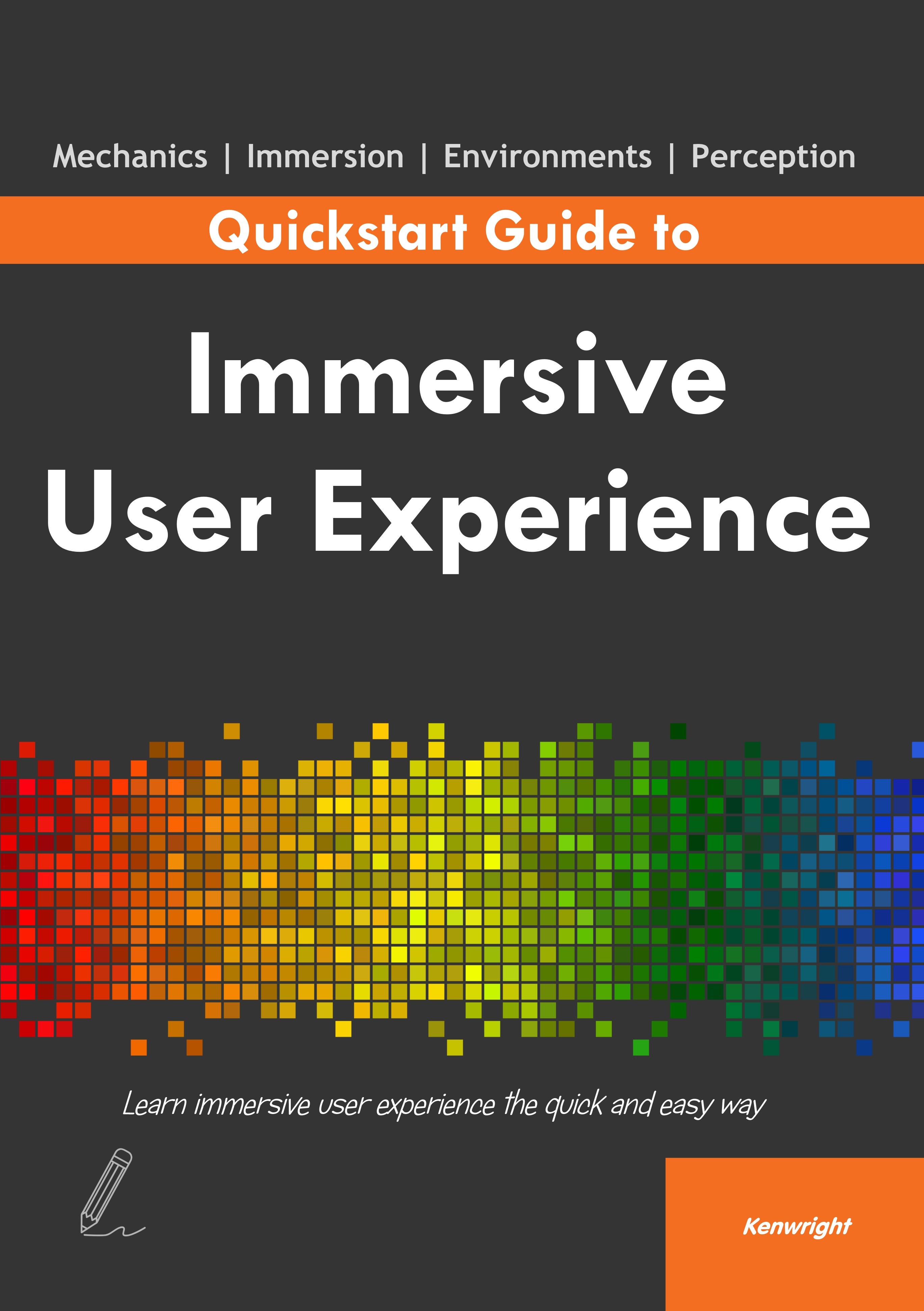
Quick Facts
- ISBN: 9798243934022
- Published: 2025
- Pages: 287
- Language: English
- Categories: User Experience, Immersive Design, AR/VR Development, Interaction Design, Digital Storytelling
About This Book
What sets this book apart is its unique approach to Immersive UX, AR Design, VR Interaction, Spatial Computing, User Psychology, Experience Design, Digital Immersion, Human‑Centered Design, Next‑Gen Interfaces, Interaction Patterns. Quickstart Guide to Immersive User Experience combines theoretical frameworks with practical examples, creating a valuable resource for both students and professionals in the field of Immersive UX and AR Design and VR Interaction and Spatial Computing and User Psychology and Experience Design and Digital Immersion and Human‑Centered Design and Next‑Gen Interfaces and Interaction Patterns. Quickstart Guide to Immersive User Experience's expertise in Immersive UX and AR Design and VR Interaction and Spatial Computing and User Psychology and Experience Design and Digital Immersion and Human‑Centered Design and Next‑Gen Interfaces and Interaction Patterns is evident throughout the book. The section on Digital Immersion is particularly noteworthy, offering nuanced insights that challenge conventional thinking and encourage deeper reflection on Immersive UX, AR Design, VR Interaction, Spatial Computing, User Psychology, Experience Design, Digital Immersion, Human‑Centered Design, Next‑Gen Interfaces, Interaction Patterns. The visual elements in this book - charts, diagrams, and infographics - are not just decorative but deeply informative. They serve as effective tools for reinforcing key concepts in Immersive UX, AR Design, VR Interaction, Spatial Computing, User Psychology, Experience Design, Digital Immersion, Human‑Centered Design, Next‑Gen Interfaces, Interaction Patterns and enhancing the overall learning experience. Whether you're a newcomer or a seasoned practitioner, this book offers something of value. Quickstart Guide to Immersive User Experience's ability to distill complex theories into practical insights makes it a standout contribution to the literature on Immersive UX, AR Design, VR Interaction, Spatial Computing, User Psychology, Experience Design, Digital Immersion, Human‑Centered Design, Next‑Gen Interfaces, Interaction Patterns and a must-have for anyone serious about Immersive UX and AR Design and VR Interaction and Spatial Computing and User Psychology and Experience Design and Digital Immersion and Human‑Centered Design and Next‑Gen Interfaces and Interaction Patterns.
Key Features
- Latest research and developments
- Practical examples and case studies
- Companion website with downloadable materials
- Self-assessment checklists
- Visual timelines or process flows
- Interview with experts in the field
About the Author
Quickstart Guide to Immersive User Experience
With a PhD in User Experience, Quickstart Guide to Immersive User Experience has dedicated their career to exploring Immersive UX, AR Design, VR Interaction. Their previous books have been translated into 9 languages.
Related News & Articles
Why a Woman Would Rather Love a Statue Than a Man
Mar 30, 2026In “When the Museum Is Closed,” Emi Yagi takes her study of female objectification to a new, literal extreme.
www.newyorker.comThe Key Book Publishing Paths: 2025–2026
Apr 02, 2026Should you self-publish or traditionally publish? This infographic will help you determine the best choice for you and your project.
janefriedman.com7 Books Featuring Self-Sabotaging Characters
Apr 17, 2026We all have that person in our life, the one who combines ambitious intentions with crippling self-sabotage. Often, they are unaware of this and perce...
electricliterature.comLit Hub Weekly: April 13 – 17, 2026
Apr 13, 2026Rosa Campbell on how men responded to The Hite Report (and why we’re wrong about men and feminism). | Lit Hub Politics “For farmers, it costs real...
lithub.com“The Pitt”: How Corny Can Crisis Get?
Apr 13, 2026The show is chained to the social discourse beyond it, to online conversations and headlines and talking-head commentary and all the voluminous langua...
www.publicbooks.orgReader Reviews

Jessica Martinez
The Gold Standard in Its Category
This isn't just another book on Immersive UX, AR Design, VR Interaction, Spatial Computing, User Psychology, Experience Design, Digital Immersion, Human‑Centered Design, Next‑Gen Interfaces, Interaction Patterns - it's a toolkit. As someone who's spent 16 years navigating the ins and outs of Immersive UX and AR Design and VR Interaction and Spatial Computing and User Psychology and Experience Design and Digital Immersion and Human‑Centered Design and Next‑Gen Interfaces and Interaction Patterns, I appreciated the actionable frameworks and real-world examples. Quickstart Guide to Immersive User Experience doesn't just inform; they empower. Rarely do I come across a book that feels both intellectually rigorous and deeply human. Quickstart Guide to Immersive User Experience's treatment of Immersive UX, AR Design, VR Interaction, Spatial Computing, User Psychology, Experience Design, Digital Immersion, Human‑Centered Design, Next‑Gen Interfaces, Interaction Patterns is grounded in empathy and experience. The chapter on VR Interaction left a lasting impression, and I've already begun applying its lessons in my classroom. What impressed me most was how Quickstart Guide to Immersive User Experience managed to weave storytelling into the exploration of Immersive UX, AR Design, VR Interaction, Spatial Computing, User Psychology, Experience Design, Digital Immersion, Human‑Centered Design, Next‑Gen Interfaces, Interaction Patterns. As a graduate student in Immersive UX and AR Design and VR Interaction and Spatial Computing and User Psychology and Experience Design and Digital Immersion and Human‑Centered Design and Next‑Gen Interfaces and Interaction Patterns, I found the narrative elements made the material more memorable. Chapter 5 in particular stood out for its clarity and emotional resonance.

Jennifer Jones
A Brilliant Synthesis of Theory and Practice
This book exceeded my expectations in its coverage of Immersive UX, AR Design, VR Interaction, Spatial Computing, User Psychology, Experience Design, Digital Immersion, Human‑Centered Design, Next‑Gen Interfaces, Interaction Patterns. As a professional in Immersive UX and AR Design and VR Interaction and Spatial Computing and User Psychology and Experience Design and Digital Immersion and Human‑Centered Design and Next‑Gen Interfaces and Interaction Patterns, I appreciate how Quickstart Guide to Immersive User Experience addresses both foundational concepts and cutting-edge developments. The writing style is engaging yet precise, making even dense material about Immersive UX, AR Design, VR Interaction, Spatial Computing, User Psychology, Experience Design, Digital Immersion, Human‑Centered Design, Next‑Gen Interfaces, Interaction Patterns enjoyable to read. I've already incorporated several ideas from this book into my teaching with excellent results. As someone with 8 years of experience in Immersive UX and AR Design and VR Interaction and Spatial Computing and User Psychology and Experience Design and Digital Immersion and Human‑Centered Design and Next‑Gen Interfaces and Interaction Patterns, I found this book to be an exceptional resource on Immersive UX, AR Design, VR Interaction, Spatial Computing, User Psychology, Experience Design, Digital Immersion, Human‑Centered Design, Next‑Gen Interfaces, Interaction Patterns. Quickstart Guide to Immersive User Experience presents the material in a way that's accessible to beginners yet still valuable for experts. The chapter on Interaction Patterns was particularly enlightening, offering practical applications I hadn't encountered elsewhere. I've been recommending this book to everyone in my network who's even remotely interested in Immersive UX, AR Design, VR Interaction, Spatial Computing, User Psychology, Experience Design, Digital Immersion, Human‑Centered Design, Next‑Gen Interfaces, Interaction Patterns. Quickstart Guide to Immersive User Experience's ability to distill complex ideas into digestible insights is unmatched. The section on VR Interaction sparked a lively debate in my study group, which speaks to the book's power to provoke thought.

William Taylor
The Most Useful Book I've Read This Year
This isn't just another book on Immersive UX, AR Design, VR Interaction, Spatial Computing, User Psychology, Experience Design, Digital Immersion, Human‑Centered Design, Next‑Gen Interfaces, Interaction Patterns - it's a toolkit. As someone who's spent 6 years navigating the ins and outs of Immersive UX and AR Design and VR Interaction and Spatial Computing and User Psychology and Experience Design and Digital Immersion and Human‑Centered Design and Next‑Gen Interfaces and Interaction Patterns, I appreciated the actionable frameworks and real-world examples. Quickstart Guide to Immersive User Experience doesn't just inform; they empower. This book exceeded my expectations in its coverage of Immersive UX, AR Design, VR Interaction, Spatial Computing, User Psychology, Experience Design, Digital Immersion, Human‑Centered Design, Next‑Gen Interfaces, Interaction Patterns. As a professional in Immersive UX and AR Design and VR Interaction and Spatial Computing and User Psychology and Experience Design and Digital Immersion and Human‑Centered Design and Next‑Gen Interfaces and Interaction Patterns, I appreciate how Quickstart Guide to Immersive User Experience addresses both foundational concepts and cutting-edge developments. The writing style is engaging yet precise, making even dense material about Immersive UX, AR Design, VR Interaction, Spatial Computing, User Psychology, Experience Design, Digital Immersion, Human‑Centered Design, Next‑Gen Interfaces, Interaction Patterns enjoyable to read. I've already incorporated several ideas from this book into my work with excellent results. I approached this book as someone relatively new to Immersive UX and AR Design and VR Interaction and Spatial Computing and User Psychology and Experience Design and Digital Immersion and Human‑Centered Design and Next‑Gen Interfaces and Interaction Patterns, and I was pleasantly surprised by how quickly I grasped the concepts around Immersive UX, AR Design, VR Interaction, Spatial Computing, User Psychology, Experience Design, Digital Immersion, Human‑Centered Design, Next‑Gen Interfaces, Interaction Patterns. Quickstart Guide to Immersive User Experience has a gift for explaining complex ideas clearly without oversimplifying. The exercises at the end of each chapter were invaluable for reinforcing the material. It's rare to find a book that serves both as an introduction and a reference work, but this one does so admirably.

Patricia Williams
Required Reading for Anyone in the Field
I've been recommending this book to everyone in my network who's even remotely interested in Immersive UX, AR Design, VR Interaction, Spatial Computing, User Psychology, Experience Design, Digital Immersion, Human‑Centered Design, Next‑Gen Interfaces, Interaction Patterns. Quickstart Guide to Immersive User Experience's ability to distill complex ideas into digestible insights is unmatched. The section on Digital Immersion sparked a lively debate in my study group, which speaks to the book's power to provoke thought. I approached this book as someone relatively new to Immersive UX and AR Design and VR Interaction and Spatial Computing and User Psychology and Experience Design and Digital Immersion and Human‑Centered Design and Next‑Gen Interfaces and Interaction Patterns, and I was pleasantly surprised by how quickly I grasped the concepts around Immersive UX, AR Design, VR Interaction, Spatial Computing, User Psychology, Experience Design, Digital Immersion, Human‑Centered Design, Next‑Gen Interfaces, Interaction Patterns. Quickstart Guide to Immersive User Experience has a gift for explaining complex ideas clearly without oversimplifying. The exercises at the end of each chapter were invaluable for reinforcing the material. It's rare to find a book that serves both as an introduction and a reference work, but this one does so admirably.

Mary Taylor
The Gold Standard in Its Category
What sets this book apart is its balanced approach to Immersive UX, AR Design, VR Interaction, Spatial Computing, User Psychology, Experience Design, Digital Immersion, Human‑Centered Design, Next‑Gen Interfaces, Interaction Patterns. While some texts focus only on theory or only on practice, Quickstart Guide to Immersive User Experience skillfully bridges both worlds. The case studies in chapter 7 provided real-world context that helped solidify my understanding of Immersive UX and AR Design and VR Interaction and Spatial Computing and User Psychology and Experience Design and Digital Immersion and Human‑Centered Design and Next‑Gen Interfaces and Interaction Patterns. I've already recommended this book to several colleagues. Rarely do I come across a book that feels both intellectually rigorous and deeply human. Quickstart Guide to Immersive User Experience's treatment of Immersive UX, AR Design, VR Interaction, Spatial Computing, User Psychology, Experience Design, Digital Immersion, Human‑Centered Design, Next‑Gen Interfaces, Interaction Patterns is grounded in empathy and experience. The chapter on AR Design left a lasting impression, and I've already begun applying its lessons in my client work. This book exceeded my expectations in its coverage of Immersive UX, AR Design, VR Interaction, Spatial Computing, User Psychology, Experience Design, Digital Immersion, Human‑Centered Design, Next‑Gen Interfaces, Interaction Patterns. As a student in Immersive UX and AR Design and VR Interaction and Spatial Computing and User Psychology and Experience Design and Digital Immersion and Human‑Centered Design and Next‑Gen Interfaces and Interaction Patterns, I appreciate how Quickstart Guide to Immersive User Experience addresses both foundational concepts and cutting-edge developments. The writing style is engaging yet precise, making even dense material about Immersive UX, AR Design, VR Interaction, Spatial Computing, User Psychology, Experience Design, Digital Immersion, Human‑Centered Design, Next‑Gen Interfaces, Interaction Patterns enjoyable to read. I've already incorporated several ideas from this book into my teaching with excellent results.

Sarah White
Worth Every Penny and Then Some
Having read numerous books on Immersive UX and AR Design and VR Interaction and Spatial Computing and User Psychology and Experience Design and Digital Immersion and Human‑Centered Design and Next‑Gen Interfaces and Interaction Patterns, I can confidently say this is among the best treatments of Immersive UX, AR Design, VR Interaction, Spatial Computing, User Psychology, Experience Design, Digital Immersion, Human‑Centered Design, Next‑Gen Interfaces, Interaction Patterns available. Quickstart Guide to Immersive User Experience's unique perspective comes from their 20 years of hands-on experience, which shines through in every chapter. The section on Interaction Patterns alone is worth the price of admission, offering insights I haven't seen elsewhere in the literature. I've been recommending this book to everyone in my network who's even remotely interested in Immersive UX, AR Design, VR Interaction, Spatial Computing, User Psychology, Experience Design, Digital Immersion, Human‑Centered Design, Next‑Gen Interfaces, Interaction Patterns. Quickstart Guide to Immersive User Experience's ability to distill complex ideas into digestible insights is unmatched. The section on Immersive UX sparked a lively debate in my study group, which speaks to the book's power to provoke thought.

Susan Wilson
Insightful, Practical, and Engaging
Rarely do I come across a book that feels both intellectually rigorous and deeply human. Quickstart Guide to Immersive User Experience's treatment of Immersive UX, AR Design, VR Interaction, Spatial Computing, User Psychology, Experience Design, Digital Immersion, Human‑Centered Design, Next‑Gen Interfaces, Interaction Patterns is grounded in empathy and experience. The chapter on Next‑Gen Interfaces left a lasting impression, and I've already begun applying its lessons in my client work. This book exceeded my expectations in its coverage of Immersive UX, AR Design, VR Interaction, Spatial Computing, User Psychology, Experience Design, Digital Immersion, Human‑Centered Design, Next‑Gen Interfaces, Interaction Patterns. As a researcher in Immersive UX and AR Design and VR Interaction and Spatial Computing and User Psychology and Experience Design and Digital Immersion and Human‑Centered Design and Next‑Gen Interfaces and Interaction Patterns, I appreciate how Quickstart Guide to Immersive User Experience addresses both foundational concepts and cutting-edge developments. The writing style is engaging yet precise, making even dense material about Immersive UX, AR Design, VR Interaction, Spatial Computing, User Psychology, Experience Design, Digital Immersion, Human‑Centered Design, Next‑Gen Interfaces, Interaction Patterns enjoyable to read. I've already incorporated several ideas from this book into my research with excellent results. From the moment I started reading, I could tell this book was different. With over 6 years immersed in Immersive UX and AR Design and VR Interaction and Spatial Computing and User Psychology and Experience Design and Digital Immersion and Human‑Centered Design and Next‑Gen Interfaces and Interaction Patterns, I've seen my fair share of texts on Immersive UX, AR Design, VR Interaction, Spatial Computing, User Psychology, Experience Design, Digital Immersion, Human‑Centered Design, Next‑Gen Interfaces, Interaction Patterns, but Quickstart Guide to Immersive User Experience's approach is refreshingly original. The discussion on Human‑Centered Design challenged my assumptions and offered a new lens through which to view the subject.

Jessica Johnson
Required Reading for Anyone in the Field
I approached this book as someone relatively new to Immersive UX and AR Design and VR Interaction and Spatial Computing and User Psychology and Experience Design and Digital Immersion and Human‑Centered Design and Next‑Gen Interfaces and Interaction Patterns, and I was pleasantly surprised by how quickly I grasped the concepts around Immersive UX, AR Design, VR Interaction, Spatial Computing, User Psychology, Experience Design, Digital Immersion, Human‑Centered Design, Next‑Gen Interfaces, Interaction Patterns. Quickstart Guide to Immersive User Experience has a gift for explaining complex ideas clearly without oversimplifying. The exercises at the end of each chapter were invaluable for reinforcing the material. It's rare to find a book that serves both as an introduction and a reference work, but this one does so admirably. What impressed me most was how Quickstart Guide to Immersive User Experience managed to weave storytelling into the exploration of Immersive UX, AR Design, VR Interaction, Spatial Computing, User Psychology, Experience Design, Digital Immersion, Human‑Centered Design, Next‑Gen Interfaces, Interaction Patterns. As a team lead in Immersive UX and AR Design and VR Interaction and Spatial Computing and User Psychology and Experience Design and Digital Immersion and Human‑Centered Design and Next‑Gen Interfaces and Interaction Patterns, I found the narrative elements made the material more memorable. Chapter 8 in particular stood out for its clarity and emotional resonance.

John Anderson
A Must-Have for Lifelong Learners
This book exceeded my expectations in its coverage of Immersive UX, AR Design, VR Interaction, Spatial Computing, User Psychology, Experience Design, Digital Immersion, Human‑Centered Design, Next‑Gen Interfaces, Interaction Patterns. As a educator in Immersive UX and AR Design and VR Interaction and Spatial Computing and User Psychology and Experience Design and Digital Immersion and Human‑Centered Design and Next‑Gen Interfaces and Interaction Patterns, I appreciate how Quickstart Guide to Immersive User Experience addresses both foundational concepts and cutting-edge developments. The writing style is engaging yet precise, making even dense material about Immersive UX, AR Design, VR Interaction, Spatial Computing, User Psychology, Experience Design, Digital Immersion, Human‑Centered Design, Next‑Gen Interfaces, Interaction Patterns enjoyable to read. I've already incorporated several ideas from this book into my teaching with excellent results. From the moment I started reading, I could tell this book was different. With over 8 years immersed in Immersive UX and AR Design and VR Interaction and Spatial Computing and User Psychology and Experience Design and Digital Immersion and Human‑Centered Design and Next‑Gen Interfaces and Interaction Patterns, I've seen my fair share of texts on Immersive UX, AR Design, VR Interaction, Spatial Computing, User Psychology, Experience Design, Digital Immersion, Human‑Centered Design, Next‑Gen Interfaces, Interaction Patterns, but Quickstart Guide to Immersive User Experience's approach is refreshingly original. The discussion on Experience Design challenged my assumptions and offered a new lens through which to view the subject.

Patricia Johnson
A Must-Have for Lifelong Learners
What sets this book apart is its balanced approach to Immersive UX, AR Design, VR Interaction, Spatial Computing, User Psychology, Experience Design, Digital Immersion, Human‑Centered Design, Next‑Gen Interfaces, Interaction Patterns. While some texts focus only on theory or only on practice, Quickstart Guide to Immersive User Experience skillfully bridges both worlds. The case studies in chapter 3 provided real-world context that helped solidify my understanding of Immersive UX and AR Design and VR Interaction and Spatial Computing and User Psychology and Experience Design and Digital Immersion and Human‑Centered Design and Next‑Gen Interfaces and Interaction Patterns. I've already recommended this book to several colleagues. Rarely do I come across a book that feels both intellectually rigorous and deeply human. Quickstart Guide to Immersive User Experience's treatment of Immersive UX, AR Design, VR Interaction, Spatial Computing, User Psychology, Experience Design, Digital Immersion, Human‑Centered Design, Next‑Gen Interfaces, Interaction Patterns is grounded in empathy and experience. The chapter on Human‑Centered Design left a lasting impression, and I've already begun applying its lessons in my daily practice. I approached this book as someone relatively new to Immersive UX and AR Design and VR Interaction and Spatial Computing and User Psychology and Experience Design and Digital Immersion and Human‑Centered Design and Next‑Gen Interfaces and Interaction Patterns, and I was pleasantly surprised by how quickly I grasped the concepts around Immersive UX, AR Design, VR Interaction, Spatial Computing, User Psychology, Experience Design, Digital Immersion, Human‑Centered Design, Next‑Gen Interfaces, Interaction Patterns. Quickstart Guide to Immersive User Experience has a gift for explaining complex ideas clearly without oversimplifying. The exercises at the end of each chapter were invaluable for reinforcing the material. It's rare to find a book that serves both as an introduction and a reference work, but this one does so admirably.
Readers Also Enjoyed
Player Experience Design in 20 Minutes
View Details
WebGPU Development Cookbook
View Details
QuickStart Guide to Game Physics
View Details
Reader Discussions
Share Your Thoughts
Elizabeth Jones
The author's critique of conventional thinking around AR Design was bold. Do you agree with their perspective?
Posted 22 days ago ReplyJoseph Davis
I wonder how the author's perspective on Human‑Centered Design might change if they revisited this work today.
Posted 5 days agoMary Martinez
I'd love to hear how readers from different backgrounds relate to the discussion on VR Interaction.
Posted 13 days ago ReplyElizabeth Brown
The author's tone when discussing Next‑Gen Interfaces felt especially passionate - did anyone else pick up on that?
Posted 27 days ago ReplyMichael Taylor
The historical context provided for Next‑Gen Interfaces really helped me appreciate how far the field has come. Any recommendations for further reading on this aspect?
Posted 13 days ago ReplySusan Garcia
I appreciate how you linked Immersive UX to real-world examples - it made the concept more tangible.
Posted 5 days agoDavid Williams
I noticed a shift in writing style during the Experience Design section - more conversational and reflective.
Posted 9 days ago ReplyMichael Garcia
I hadn't thought about Immersive UX from that angle before - thanks for the insight!
Posted 6 days ago